

Introduction When you hear the phrase “external audit,” does a sense of unease creep in? Many business owners and finance professionals may associate audits with probing processes, unwanted scrutiny, or the fear of discovering unpleasant surprises. However, external audits aren’t to be feared; in fact, they can be one of the most valuable tools at your disposal to ensure the financial health and compliance of your business. External audits, conducted by an independent third party, serve as an objective evaluation of a company’s financial statements and accounting practices. While it may feel like a daunting process at first, external audits provide benefits that far outweigh the initial apprehension. Whether you’re running a small business or overseeing a multinational organisation, this blog will explore why you should see external audits as a business ally, not a foe. From enhancing credibility and ensuring compliance to debunking common myths surrounding audits, here’s everything you need to know. Why External Audits Matter External audits are more than just a statutory requirement for certain companies; they serve as a strategic tool for business owners and finance professionals. Below are some of the key reasons your organisation can benefit from welcoming an audit. 1. Boost Credibility and Transparency An external audit gives your business a stamp of approval by an independent authority. This reassures stakeholders, such as investors, creditors, and regulatory bodies, that your financial records are accurate and trustworthy. For example, if your business is seeking investment or financing, audited financial statements install confidence in potential investors or lending institutions, as they can trust the accuracy of your reported financial performance. 2. Ensure Regulatory Compliance Staying compliant with financial regulations is non-negotiable, and external audits help identify gaps in your current processes. An external auditor will flag any practices that violate laws or regulations, allowing your organisation to remedy these issues before they become significant problems. This compliance ensures you avoid penalties, legal complications, and damage to your reputation, particularly in industries where regulatory oversight is robust. 3. Strengthen Internal Controls While external audits primarily evaluate financial statements, they also spotlight the effectiveness of internal controls within your organisation. Contrary to popular belief, a thorough audit isn’t just looking for errors but also assessing operational inefficiencies. By identifying vulnerabilities in your processes, audits empower your business to improve procedures, mitigate risks, and establish a strong financial foundation. 4. Attract Investors Investors seek reliability and transparency in the businesses they fund. A company with clean, audited financial statements is significantly more attractive to investors compared to one without. An external audit signals that you run a professional operation, paving the way for capital-raising opportunities. 5. Strategic Decision-Making Having a clear, unbiased financial picture enables business leaders to make more informed decisions. Whether it’s planning for growth, cutting costs, or expanding product lines, the insights gained from an external audit act as a roadmap for your company’s future success. 6. Build Trust with Stakeholders From employees to customers, your stakeholders rely on your company’s integrity and financial health. External audits reinforce your commitment to fair practices, strengthening trust and solidifying your reputation in the marketplace. What Does the External Audit Process Entail? Many business leaders hesitate when it comes to audits because the process seems overwhelming. However, understanding what an external audit involves can help quell those fears. Below is a simple breakdown of the process. Planning The auditor will begin by meeting with your finance team to understand your organisation, its environment, and the scope of the audit. This step sets expectations and prepares both parties for the process. Risk Assessment The auditor evaluates risks that may impact your financial reporting. They identify areas requiring close examination, such as cash flow, revenue recognition, or inventory valuation. Fieldwork and Evaluation During this stage, the auditor examines your financial records, verifies supporting documents, and consults with relevant team members. They’ll look for inconsistencies, vulnerabilities, and adherence to accounting standards. Reporting The auditor provides their findings in a detailed report, highlighting any discrepancies, areas for improvement, and suggestions to strengthen financial processes. This report provides actionable insights for your organisation. Common Concerns about External Audits Despite these benefits, some businesses remain reluctant to undergo audits due to persistent misconceptions. Here, we demystify the top concerns. 1. “The Auditors Will Find Errors and Penalise Us” An external audit isn’t a witch hunt. The objective is not to scrutinise your business unnecessarily or impose penalties. Instead, auditors aim to provide constructive feedback to improve your financial practices and ensure compliance. 2. “External Audits Are Expensive” While audits require a financial investment, the long-term benefits far outweigh the costs. Consider the risks of undetected errors, non-compliance fines, or damaged trust with stakeholders. Effective audits save you money by preventing these scenarios. 3. “They’ll Disrupt Our Daily Operations” Experienced auditors understand that businesses can’t pause for an audit. By conducting well-structured evaluations with minimal disruption, audits are designed to integrate seamlessly into your operations. 4. “Our Record-Keeping Isn’t Perfect; We’re Not Ready” An external audit is not about perfection but improvement. Auditors can guide you to align your practices with accounting standards, helping transform your record-keeping over time. Why You Shouldn’t Delay Your Next External Audit External audits aren’t simply about meeting regulatory requirements; they’re a strategic tool for building a better business. Proactively opting for an external audit shows stakeholders you take financial accountability and operational transparency seriously. For finance professionals and business owners alike, there’s an opportunity to learn and grow through the process of an audit. Think of it not just as a compliance activity but as a stepping stone towards resilience, growth, and long-term success. It’s time to change how you view audits—from burdensome to beneficial. After all, forward-thinking businesses understand that audits aren’t obstacles; they’re opportunities.

In a strategic effort to enhance the UAE’s appeal as a premier global investment hub, the UAE Cabinet has issued Decision No. 34 of 2025, introducing preferential tax treatment for investors in Qualified Investment Funds (QIFs). The move, announced by the UAE Ministry of Finance, underscores the country’s commitment to fostering both foreign and domestic investment by providing a transparent and supportive regulatory and tax environment. Key Features of the New Tax Framework The decision outlines several pivotal provisions designed to regulate the tax treatment of QIFs while encouraging investment growth: Corporate Tax Exemption: Income generated through QIFs will be exempt from corporate tax, provided specific criteria are met. Real Estate Holdings Cap: To qualify for the exemption, a QIF’s real estate assets must not exceed 10% of its total holdings. Diversified Ownership Requirement: Funds must maintain a broad investor base, preventing dominance by a single investor or related group. Flexible Compliance Measures Recognizing the need for a smooth transition, the decision incorporates practical compliance measures: Grace Period for New Funds: Newly established funds will have two years to meet ownership diversification requirements, allowing time to attract a diverse range of investors. Temporary Non-Compliance Allowance: Funds may temporarily breach diversification rules for up to 90 days per year, provided the lapse is not due to liquidation or dissolution. Consequences of Non-Compliance The decision clarifies the implications of failing to meet regulatory conditions: Ownership Diversification Breach: If a fund fails to maintain diversified ownership, the tax exemption will only be revoked for the non-compliant investor’s share of income (assuming other conditions are met). Exceeding Real Estate Threshold: If real estate holdings surpass the 10% limit, 80% of the income from these assets will become taxable. Special Provisions for REITs Real Estate Investment Trusts (REITs) and similar entities will benefit from a partial tax exemption: Only 80% of real estate income will be subject to corporate tax, balancing regulatory oversight with investor returns. Encouraging Foreign Investment To further attract international capital, the decision streamlines compliance for foreign investors: Simplified Registration for Foreign Investors: Foreign corporate investors distributing at least 80% of their income within nine months of the financial year-end only need to register for corporate tax at the time of distribution, reducing administrative burdens. Pass-Through Tax Treatment for Limited Partnerships Aligning with global best practices, the decision allows certain limited partnerships to qualify for transparent (pass-through) tax treatment: Taxes are applied at the partner level rather than the entity level, ensuring fair treatment across different investment structures. Strategic Impact This initiative is a key component of the UAE’s broader economic diversification strategy, reinforcing its position as a leading destination for global investment. By offering clear tax incentives and regulatory clarity, the UAE aims to attract long-term capital and strengthen its financial services sector. For fund managers and investors, understanding these regulations is essential. Professional advisory services can provide critical support in ensuring compliance and maximizing the benefits of this new framework. Conclusion The UAE’s introduction of corporate tax exemptions for Qualified Investment Funds marks a significant step in enhancing the nation’s investment landscape. By fostering a business-friendly tax regime, the UAE continues to drive economic growth, attract global capital, and solidify its status as a world-class financial hub.

In a strategic effort to enhance the UAE’s appeal as a premier global investment hub, the UAE Cabinet has issued Decision No. 34 of 2025, introducing preferential tax treatment for investors in Qualified Investment Funds (QIFs). The move, announced by the UAE Ministry of Finance, underscores the country’s commitment to fostering both foreign and domestic investment by providing a transparent and supportive regulatory and tax environment. Key Features of the New Tax Framework The decision outlines several pivotal provisions designed to regulate the tax treatment of QIFs while encouraging investment growth: Corporate Tax Exemption: Income generated through QIFs will be exempt from corporate tax, provided specific criteria are met. Real Estate Holdings Cap: To qualify for the exemption, a QIF’s real estate assets must not exceed 10% of its total holdings. Diversified Ownership Requirement: Funds must maintain a broad investor base, preventing dominance by a single investor or related group. Flexible Compliance Measures Recognizing the need for a smooth transition, the decision incorporates practical compliance measures: Grace Period for New Funds: Newly established funds will have two years to meet ownership diversification requirements, allowing time to attract a diverse range of investors. Temporary Non-Compliance Allowance: Funds may temporarily breach diversification rules for up to 90 days per year, provided the lapse is not due to liquidation or dissolution. Consequences of Non-Compliance The decision clarifies the implications of failing to meet regulatory conditions: Ownership Diversification Breach: If a fund fails to maintain diversified ownership, the tax exemption will only be revoked for the non-compliant investor’s share of income (assuming other conditions are met). Exceeding Real Estate Threshold: If real estate holdings surpass the 10% limit, 80% of the income from these assets will become taxable. Special Provisions for REITs Real Estate Investment Trusts (REITs) and similar entities will benefit from a partial tax exemption: Only 80% of real estate income will be subject to corporate tax, balancing regulatory oversight with investor returns. Encouraging Foreign Investment To further attract international capital, the decision streamlines compliance for foreign investors: Simplified Registration for Foreign Investors: Foreign corporate investors distributing at least 80% of their income within nine months of the financial year-end only need to register for corporate tax at the time of distribution, reducing administrative burdens. Pass-Through Tax Treatment for Limited Partnerships Aligning with global best practices, the decision allows certain limited partnerships to qualify for transparent (pass-through) tax treatment: Taxes are applied at the partner level rather than the entity level, ensuring fair treatment across different investment structures. Strategic Impact This initiative is a key component of the UAE’s broader economic diversification strategy, reinforcing its position as a leading destination for global investment. By offering clear tax incentives and regulatory clarity, the UAE aims to attract long-term capital and strengthen its financial services sector. For fund managers and investors, understanding these regulations is essential. Professional advisory services can provide critical support in ensuring compliance and maximizing the benefits of this new framework. Conclusion The UAE’s introduction of corporate tax exemptions for Qualified Investment Funds marks a significant step in enhancing the nation’s investment landscape. By fostering a business-friendly tax regime, the UAE continues to drive economic growth, attract global capital, and solidify its status as a world-class financial hub.
In the competitive UAE market, each business needs a reliable auditing partner in order to understand complex regulations and achieve clarity over its finances. Elite Auditing is well recognized as an affluent firm offering highly tailor-made auditing services for each particular need of its customers. A Trusted Name in Auditing The underlying characteristic of Elite Auditing is the dedication towards perfection. With experienced professionals and overall success records, the firm becomes one of the preferred choices of all those businesses in town for offering comprehensive auditing services. Be it statutory audits, internal audits, or VAT compliance; Elite Auditing guarantees accuracy and on-time support in any particular service delivered. Comprehensive Service Offerings Statutory Audits: The statutory audits as prescribed by UAE laws are conducted to validate the financial statements in renewing trade licenses for a business. Internal Audits: These audits help identify risks and inefficiencies and improve the efficiency of business operations. VAT Audits: VAT regulations keep becoming stricter, but Elite Auditing’s skill saves the clients from penalties. Specialized Services: Specialized services include services from fraud detection to financial advisory. Unique Value Propositions Regulatory Expertise: All knowledge of UAE-specific regulations makes sure that businesses are compliant. Tools that are State-of-the-Art: Utilizing new technology by Elite Auditing improves both accuracy and efficiency. Client-Centric Approach: Solutions have been designed to meet the different needs of clients across different industries.Real-World Impact To give a few witnesses, and a few case studies, for instance, Elite Audit, the cost incurred by a mid-sized firm in addressing some discrepancies in value-added tax filings and penalties that could have hit the corporation hard. This client also has benefited from internal auditing efficiencies, which have resulted in saving costs and boosting productivity. The Elite Auditing Difference With Elite Auditing, businesses find a partner in success. This proactive approach, coupled with attention to detail and customer satisfaction, places the firm as a strategic ally in compliance and growth.

In the competitive UAE market, each business needs a reliable auditing partner in order to understand complex regulations and achieve clarity over its finances. Elite Auditing is well recognized as an affluent firm offering highly tailor-made auditing services for each particular need of its customers. A Trusted Name in Auditing The underlying characteristic of Elite Auditing is the dedication towards perfection. With experienced professionals and overall success records, the firm becomes one of the preferred choices of all those businesses in town for offering comprehensive auditing services. Be it statutory audits, internal audits, or VAT compliance; Elite Auditing guarantees accuracy and on-time support in any particular service delivered. Comprehensive Service Offerings Statutory Audits: The statutory audits as prescribed by UAE laws are conducted to validate the financial statements in renewing trade licenses for a business. Internal Audits: These audits help identify risks and inefficiencies and improve the efficiency of business operations. VAT Audits: VAT regulations keep becoming stricter, but Elite Auditing’s skill saves the clients from penalties. Specialized Services: Specialized services include services from fraud detection to financial advisory. Unique Value Propositions Regulatory Expertise: All knowledge of UAE-specific regulations makes sure that businesses are compliant. Tools that are State-of-the-Art: Utilizing new technology by Elite Auditing improves both accuracy and efficiency. Client-Centric Approach: Solutions have been designed to meet the different needs of clients across different industries.Real-World Impact To give a few witnesses, and a few case studies, for instance, Elite Audit, the cost incurred by a mid-sized firm in addressing some discrepancies in value-added tax filings and penalties that could have hit the corporation hard. This client also has benefited from internal auditing efficiencies, which have resulted in saving costs and boosting productivity. The Elite Auditing Difference With Elite Auditing, businesses find a partner in success. This proactive approach, coupled with attention to detail and customer satisfaction, places the firm as a strategic ally in compliance and growth.
Auditing is the cornerstone of the UAE business environment, ensuring that companies adhere to relevant legal and regulatory frameworks, promote transparency, and instil trust among all its stakeholders. As businesses sail through the complex landscape of financial reporting and compliance obligations, auditing becomes an integral tool to maintain integrity and avoid severe consequences in cases of non-compliance. The Importance of Auditing in the UAE The UAE has become an important center of global business affairs, where they are attracting investors and new entrepreneurs from all over the world. This growth is only possible with the strict regulations that ensure that the practices are fair among the stakeholders and protect their interests. Companies get compliance checks for such regulations like for instance, Federal Law No. 2 of 2015 on Commercial Companies. There are some requirements for businesses to keep their financial records for at least five years and have them audited by certified professionals at determined intervals they must follow. Through finding gaps and guaranteeing precision of financial statements, auditing minimizes the probability of financial and legal risks to companies. Apart from protecting companies, it also creates trustworthiness and credibility among the investors and the partners. Key Compliance Requirements Compliance in the UAE goes beyond financial reporting. Businesses are required to comply with: VAT Regulations: Introduced in 2018, compliance with VAT is compulsory for companies that have a turnover that is beyond the required threshold. Clear and correct filing, as well as the availability of the correspondence, are indispensable conditions to get rid of the fines. Free Zone Guidelines: Enterprises that are functioning in free economic statutory zones like DMCC (Dubai Multi Commodities Centre), JAFZA, or DIFC (Dubai International Financial Centre), should undergo the particular scrutiny required in the territory. Anti-Money Laundering (AML) Laws: Especially stiff AML rules make enterprises responsible for implementing tight controls and regularly auditing their systems in order to detect and prevent outlawed activities from taking place. The Consequences of Non-Compliance Working against auditing’s requirements can lead to: Severe Consequences. Fines for improper or missing audits of financial reports can grow tremendously. Operational Halts. Certain business activities can be ceased, or certain licenses may be impacted. Loss of Credibility. Stakeholder confidence may suffer while the business’s credibility could lose value. Improving Business Openness And Confidence Due to the sensitive nature of the financial documents maintained by a firm, audits are critical to facilitate and verify that the financial operations of the firm are conducted in accordance with best practice guidelines. This level of transparency helps improve the relationship between stakeholders such as investors, lenders, and regulators. In addition, audits provide a window into a business’s inefficiencies and problems that need to be resolved in order to maintain and improve growth. How Elite Auditing Does It Elite Auditing is the flagship company in the United Arab Emirates dealing with business compliance and consultants to help navigate complex scenarios. They approach each client’s challenges by putting together a customized legal plan for sustainability and compliance. Accuracy, professionalism, and client satisfaction are hallmarks for ranking Elite Auditing among the best judges and business companions.

Worried about registering for UAE corporate tax? Don’t be! Here at Elite Auditing in Dubai, we’re making it easy to understand. Let’s walk through everything you need to know. First Things First: Do You Need to Register? If you run a business in the UAE – yes, you do! This includes: Companies in mainland UAE Free zone businesses Small and large companies The good news? We’re here to help make it simple. When Should You Register? The deadline depends on when your business year ends: For example: Business year ending December 31, 2024? Register by June 2025 Different business year? Don’t worry – we’ll help you find your deadline Best tip: Register early to avoid the rush! What Papers Do You Need? Let’s break this into simple chunks: Basic Business Papers Trade License Must not be expired Should be clear to read Must show all your business activities Owner Documents Your Emirates ID Your passport copy Your contact details Company Papers Business partnership papers Company formation documents Proof of ownership Company Details Make a list of: Your office address Company phone number Email address P.O. Box number Money Matters You’ll need: Your yearly income details Bank information Business activity records Registration Made Simple: 4 Easy Steps Step 1: Get Ready Collect all your papers Make copies Check nothing’s expired Step 2: Start Online Go to EmaraTax website Make your account Fill in basic details Step 3: Submit Everything Enter company information Upload your papers Double-check all details Step 4: Follow Up Keep track of your application Answer any questions quickly Save your tax number when you get it Tax Rates Made Simple Think of it like steps on a ladder: Small Business Step Earn up to AED 375,000? Pay 0% tax Perfect for small businesses Regular Business Step Earn more than AED 375,000? Pay 9% tax Most businesses fall here Big International Step Very large global companies Pay 15% tax For businesses earning over AED 3.15 billion Common Problems and Easy Fixes Missing Papers? We’ll help you find what’s missing Guide you where to get them Make sure everything’s complete Expired Documents? We’ll help you renew them Tell you what needs updating Keep track of expiry dates Confused About Requirements? We explain everything simply Answer all your questions Guide you step by step How to Avoid Mistakes Start Early Don’t wait until the last minute Give yourself plenty of time Avoid rushing and stress Keep Papers Updated Check expiry dates Renew on time Keep good records Stay Organized Make copies of everything Keep papers in order Save everything safely How Elite Auditing Helps You We make it easy by: Checking all your papers Filling out forms with you Tracking your application Keeping you updated Our team: Knows all the tax rules Stays up to date with changes Gives you personal attention Helps even after registration Penalties to Avoid Don’t be late! Late registration costs AED 10,000 Wrong information means extra fines Missing papers can cause problems Need Help? Elite Auditing is here for you: We’re in Dubai Call us: [+97142523232] Email us: [info@hajeirgroup.com] Why Choose Elite Auditing? We make tax registration easy because: We speak your language We explain things clearly We help from start to finish We’re always here when you need us Ready to Start? Getting your tax registration right is important. With Elite Auditing, you can relax knowing experts are handling everything for you. Want to make your tax registration stress-free? Just call us! Need help? Contact Elite Auditing today. We’re here to make your tax registration simple and successful. FAQs Can I do this myself? Yes, but having help saves time and prevents mistakes. How long does it take? Usually 15-20 working days once you submit everything. What if I have many branches? We help you include all branches in one registration. What happens after I register? You get a tax number and start keeping tax records. We’ll show you how.

Did you know you can get some of your tax money back in the UAE? Whether you run a business or you’re here on vacation, this guide will show you how to get your VAT refund. Let’s break it down into simple steps! What’s VAT and Why Can You Get it Back? VAT is just a 5% fee you pay when buying things in the UAE. The good news? You can often get this money back! It’s like getting a surprise discount after you’ve already paid. Quick Facts About VAT Refunds: For businesses: If you paid more tax than you collected, you can get the extra back For tourists: You can get tax back on your shopping before flying home For Business Owners: Getting Your VAT Back First Things First: Are You Eligible? You can ask for money back if: You’re registered with the tax office (FTA) You have a tax number (TRN) You paid more VAT than you collected What Papers Do You Need? Think of it like packing for a trip. Here’s your checklist: Store receipts (keep them in order by date) Your business records Your bank details Proof of your purchases Step-by-Step: Filing Your VAT Return Go to the Tax Website Log into your account Find the VAT returns section Check your numbers twice Do the Math Add up all the VAT you paid Add up all the VAT you collected Find the difference Send It In Fill in all the boxes Upload your documents Keep copies for yourself Asking for Your Refund Here’s what to do: Find the refund section on the website Fill out the form carefully Add your supporting documents Click submit and wait Helpful Tips for Success Stay Organized: Make a special folder for tax papers Keep digital copies Use accounting software Check Regularly: Look at your VAT records each month Match receipts with bank statements Fix mistakes right away Get Help: Talk to a tax expert Take FTA classes Join business groups Common Problems and Easy Fixes When Things Go Wrong Lost Documents? Ask the store for new copies Check your email Use a checklist next time Waiting Too Long? Check online Call for help Follow up often Claim Denied? Find out why Get more proof Try again if needed Claim rejected? You have 20 work days to try again with more information. Planning Ahead Every Month: Check your VAT records Match money in and out File your papers Every Three Months: Do your VAT returns Look for refund chances Check you’re following rules Every Year: Big VAT check Update how you do things Train your staff Wrapping Up Getting your VAT money back in the UAE is simple if you follow these steps. Just remember: Keep all your papers Follow the rules Ask for help if needed Plan ahead The tax office keeps making it easier to get refunds. Check their website for updates and new rules. Need help? The tax office (FTA) has guides and people ready to help. If you run a business, talking to a VAT expert can make things easier. FAQs How long until I get my money? Businesses wait about 20 workdays. Tourists get money back at the airport. Lost your receipt? Ask the store for a copy right away. Can you get VAT back on everything? No, some things don’t count. Check the tax office website to be sure. What's the smallest amount you can claim? Tourists need to spend 250 AED per store. No minimum for businesses. How often can you claim? Businesses: With each tax return. Tourists: Before leaving the UAE.
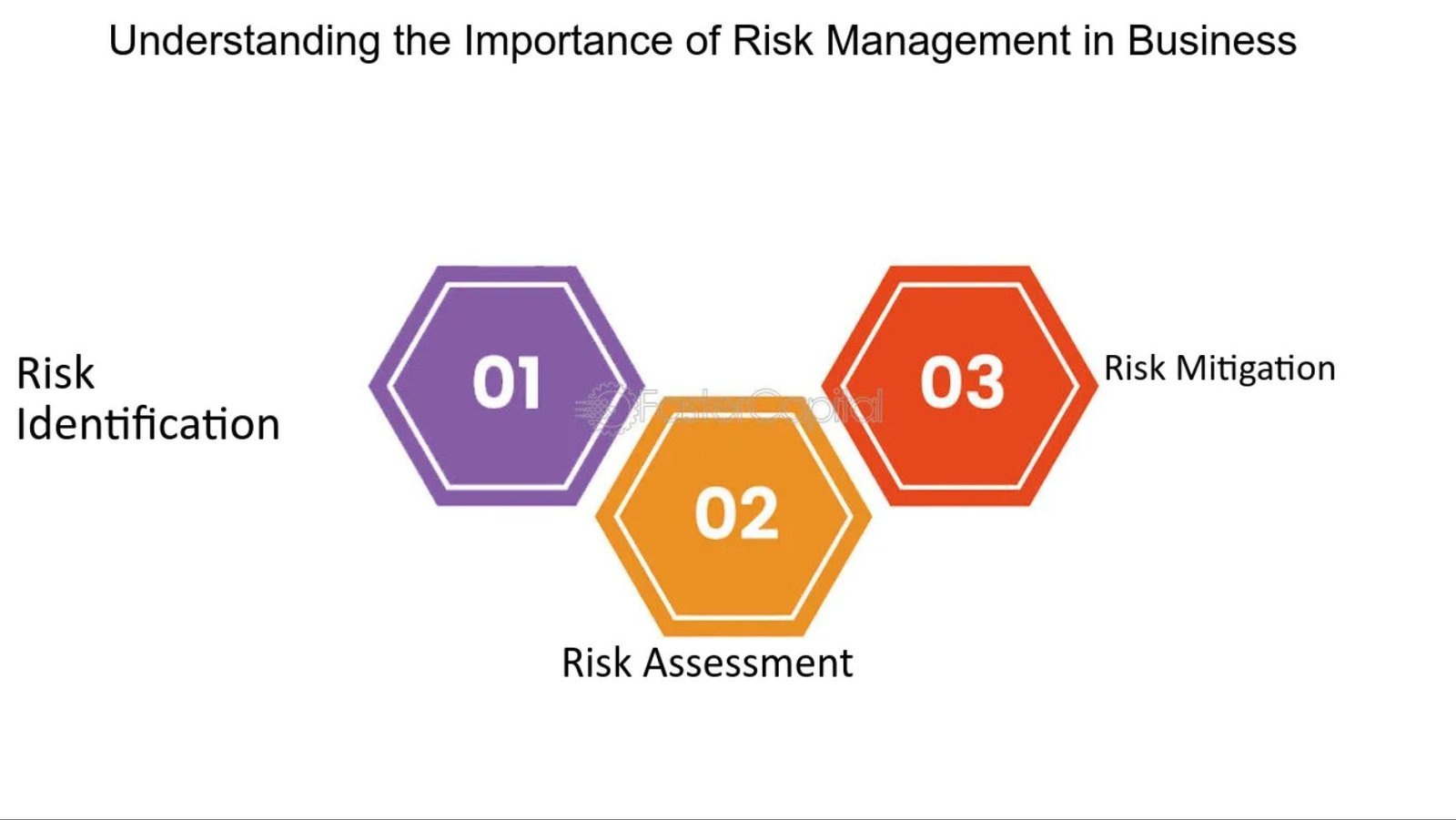
Why Is Risk Management Important for UAE Business? Ever wondered how strong businesses are in Dubai, even when times get tough? All is about risk management. Now, let’s explain why it is so important and how it is. Let’s break down why it’s so important and how it can help your business thrive in the UAE. What is Risk Management, and why should you Care? Think of risk management like a seatbelt when you’re driving. You hopefully will not have an accident, but you’re prepared in case one happens. So, you should prepare for business before a problem arises. The UAE market moves fast—so things change fast. A new law might pop up, or market prices might shift overnight. Being ready for these changes helps your business stay strong. Protecting Your Business Name in Dubai Your business reputation is like gold in the UAE. One small problem could hurt the trust people have in your company. Good risk management is like having a shield that protects your business name. Here’s what good protection looks like: Catching small problems before they become big ones Keeping customers happy even when things go wrong Making sure your business follows all UAE rules Staying Out of Trouble with the Law UAE business rules are like traffic laws – they change sometimes, and you need to keep up. Good risk management helps you: Know about new rules before they affect you Fix problems before they break any laws Keep your business running smoothly and legally Making the Right Decisions for Business Success The better you understand risks, the wiser your decisions become. It is like having a good map when you explore a new city. You know: Which opportunities are worth taking Which paths might be dangerous How to reach your goals safely Related: How Much Do Accounting Services Cost in Dubai? Important Areas to Watch in Your Business Money Matters Keep a close eye on your business money by: Watching for cash flow problems Planning for unexpected expenses Protecting against market changes Daily Operations Make sure your business runs smoothly by: Training workers to handle problems Keeping important information safe Having backup plans ready Market Changes Stay ahead in the UAE market by: Watching for new business opportunities Understanding what customers want Keeping an eye on competition Getting Everyone Involved Teaching Your Team Your workers are like extra sets of eyes watching for problems. Help them by: Teaching them what to look for Making it easy to report concerns Rewarding them for spotting issues early Making Clear Plans Good plans are like recipes – everyone should be able to follow them. Make sure to: Write down what to do when problems happen Keep plans simple and clear Update them when things change Using Modern Tools to Stay Safe Smart Technology Today’s businesses use special tools to stay safe: Computer programs that spot problems Systems that keep information secure Apps that help track risks Getting Help from Experts Sometimes it’s smart to ask for help. Expert advisors can: Share what works for other businesses Suggest better ways to handle risks Help create safety plans Wrapping It Up Taking care of risks in your business isn’t about avoiding every possible problem. It’s about being smart and ready when challenges come up. In the UAE’s exciting business world, this readiness helps you succeed. Start small, keep learning, and make safety a regular part of your business thinking. This approach helps protect what you’ve built while finding safe ways to grow in the UAE market. Remember: The aim is not to be cautious but prudent. This is how success in the long run is built in the business world of Dubai. This version uses simpler language, shorter sentences, and more everyday examples to make the concepts easier to understand. It maintains a professional tone while being more accessible to a wider audience. FAQs How often should we check for risks? Check for small risks every month and big ones every three months – like regular health check-ups for your business. What's the first thing we should do? Start by making a list of what could go wrong. Think about money problems, worker safety, and market changes. Does my small business need this? Yes! Small businesses often get hurt more by unexpected problems. Having good plans helps them stay strong. Is it expensive to manage risks? Think of it like buying insurance – it costs some money now but saves a lot more later by preventing big problems.

Running a business in Dubai is exciting. But it’s also challenging when it comes to managing money. Good accounting makes this much easier. Let’s explore how it can help you make smarter financial decisions. Why Dubai Is Different Dubai’s business world is special. You’ve got free zones, new tax rules, and lots of opportunities. But these opportunities come with their own money challenges. That’s why local businesses need a solid financial plan. How Accounting Makes Budgeting Easier Think of accounting like a GPS for your money. It shows you: Where your money is coming from Where it’s going How much you’re really spending How much you’re earning This clear picture helps you make better plans for your business. Real Benefits You Can See Better Money Forecasting Good accounting helps you: Know when busy seasons are coming Set goals you can reach Understand how customers spend Get ready for market changes Smarter Spending With proper accounting, you can: Spot where you’re spending too much Find ways to cut costs See spending patterns clearly Make your profits bigger Better Cash Flow Understanding your money flow helps you: Keep enough cash on hand Plan for regular bills Manage your inventory costs Prepare for surprise expenses Handling Dubai’s Tax Rules Recent tax changes in Dubai mean you need to: Plan for VAT payments Get ready for corporate tax Use available tax benefits Follow local rules Making Smart Business Moves Good accounting records help you decide: When to grow your business What equipment to buy When to hire people Which markets to enter Using Modern Tools Today’s accounting software gives you: Real-time expense tracking Automatic reports Budget comparisons Quick financial insights Getting Professional Help Working with accounting experts gives you: Knowledge of Dubai’s rules Smart financial planning Help staying compliant Growth strategies Best Ways to Budget in Dubai Regular Checkups Keep your budget healthy by: Checking it every month Updating your plans as needed Learning from past months Setting new goals Good Record Keeping Always keep track of: Daily business activity Decision-making info Legal requirements Future budget plans Special Tips for Different Businesses Retail Stores Focus on: Stock costs Seasonal planning Staff schedules Marketing costs Service Companies Watch your: Project costs Employee time use Running costs Customer getting costs Manufacturing Keep track of: Material costs Equipment care Production timing Quality checks Common Challenges and Solutions Understanding Dubai’s Market Watch for: Market changes Seasonal effects Competition Local business customs Growing Your Business Plan for: Growth costs New market entry Staff needs Building needs How Elite Auditing Helps We offer: Deep financial review Budget planning Rule compliance help Expert accounting Taking Action Ready to make your business finances better? Here’s how to start: Book a meeting with us Review your current system Make an improvement plan Put new systems in place Also Read: What Are The Benefits Of Outsourcing Accounting In UAE? FAQs Why do I need professional accounting for my Dubai business? Think of professional accounting as your business’s financial guardian. It helps you: Follow UAE rules without headaches See your money picture clearly Make smarter business choices Keep your business running smoothly How often should I look at my budget? We suggest: Monthly check-ins to see how you’re doing Deeper reviews every three months Extra checks when business is growing fast Quick reviews when market conditions change What can Elite Auditing do for my business? We handle everything your business needs: Monthly money reports Budget planning and tracking Cash flow help Tax planning Financial analysis Business advice VAT services Corporate tax help How do you help with taxes? We make taxes simpler by: Finding legal ways to save money Planning for tax payments Keeping up with new rules Making sure you follow UAE laws What’s the difference about bookkeeping and professional accounting? Think of it this way: Bookkeeping is like taking daily notes Professional accounting is like having a financial advisor who: Analyzes your money patterns Plans for your future Helps you make smart tax choices Guides your business decisions How do I know if my budget system works? A good budget should: Correctly predict your monthly money in and out Keep cash flowing smoothly Help your business grow Show you how you’re doing Help you make good choices What records do I need to keep? Keep track of: Daily money movements Bank statements Sales and purchase papers Expense receipts Staff payments Business property lists VAT records Yearly financial reports How can accounting help my business grows? Good accounting: Shows where you can grow Finds money you need Spots growth chances Keeps cash flowing Measures investment returns Helps get loans Tracks how you’re doing Why use accounting software? New accounting tools give you: Real-time money tracking Automatic reports Accurate cash flow views Better expense control Easier tax work Time savings Better data protection What’s special about Dubai accounting? Dubai businesses need special attention to: UAE VAT rules Free zone regulations Corporate tax planning International money handling Multiple currency tracking Local business rules Cultural business practices Can you help new and established businesses? Yes! We help: New businesses set up strong systems Growing businesses get better Established businesses stay successful What should I look for in an accounting service? Choose someone with: UAE rule knowledge Business experience Professional training Full service options Modern technology Good client feedback Clear communication Quick responses How can I improve my cash flow? Better accounting helps by: Watching payment timing Managing customer payments Controlling costs Planning for bills Spotting money patterns Preventing shortages Making the most of your working money What budget mistakes should I avoid? Watch out for: Guessing at expenses Missing seasonal changes Not saving for emergencies Poor cash planning Ignoring market changes Messy record keeping Not checking your budget enough Related: Why Accounting Services Matter for Your Small Business in Dubai, UAE